

 Buy a licensed company
  VASPs live data and insights
  Learn about crypto safety
  Read the latest research

 Juan Carlos Reyes
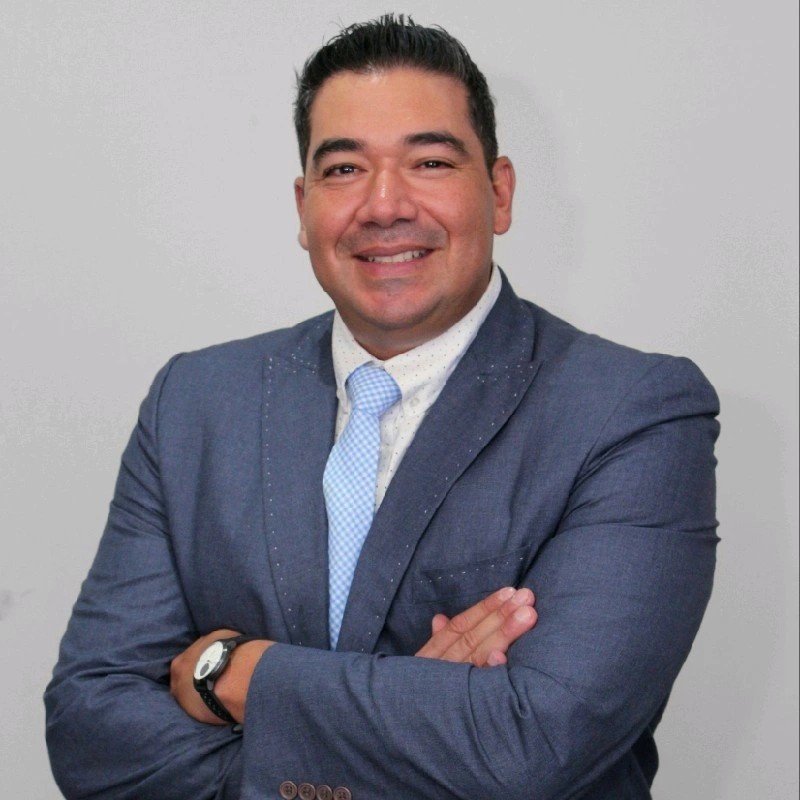
JC is the president of the National Commission of Digital Assets in El Salvador, an autonomous government agency tasked with the oversight and regulation of all cryptocurrencies, tokens and other digital financial instruments.
Juan Carlos Reyes
JC is the president of the National Commission of Digital Assets in El Salvador, an autonomous government agency tasked with the oversight and regulation of all cryptocurrencies, tokens and other digital financial instruments.
The Engineless Car: Why Developing Nations Could Lead the Digital Asset Revolution
By Juan Carlos Reyes, President of El Salvador’s National Digital Assets Commission (CNAD)*
When I took the helm as El Salvador’s national digital assets regulator in September 2023, I encountered a paradox that perfectly crystallized the challenge facing the global financial system. Traditional financial centers, despite their resources and expertise, were struggling to effectively regulate digital assets. Meanwhile, developing nations, unburdened by legacy systems, had an unprecedented opportunity to lead a financial revolution that Boston Consulting Group projects will reach several trillion dollars in value by the end of this decade.
A Tale of Two Systems
The parallel that best illustrates our current situation comes from the automotive industry’s electric revolution. Picture this: You’ve just purchased a state-of-the-art electric vehicle. It looks like a car, drives like a car, and serves the same purpose as any vehicle you’ve owned before. Then one day, something goes wrong. Instinctively, you take it to your trusted mechanic of twenty years. They pop the hood, ready to diagnose the problem, only to find… no engine. No pistons. No spark plugs. Just an alien landscape of batteries, inverters, and electric motors.
This scenario perfectly mirrors our current regulatory landscape. Traditional financial centers, with their decades of experience regulating conventional markets, find themselves like that bewildered mechanic – armed with sophisticated tools and deep expertise that suddenly seem obsolete in the face of new technology.
The Developing Nation Advantage
Here lies the unexpected opportunity for developing nations. While established financial centers struggle to adapt their existing frameworks to this new reality, countries without deeply entrenched financial systems can build regulatory frameworks from the ground up, specifically designed for the digital age.
This is not merely theoretical. According to recent market analyses, the digital asset ecosystem is projected to transform everything from remittances ($700 billion annual market) to securities trading ($25 trillion market cap). This represents an unprecedented opportunity for developing nations to:
– Establish themselves as pioneers in a multi-trillion dollar industry
– Create high-skilled employment opportunities in the technology sector
– Attract international investment and innovation
– Reduce dependency on traditional financial systems
– Lead rather than follow in setting global standards
The Urgency of Innovation
The stakes couldn’t be higher. While traditional financial centers debate how to fit digital assets into existing frameworks, developing nations have the opportunity to leapfrog decades of financial infrastructure development. This is similar to how many African nations bypassed traditional telephone infrastructure and jumped straight to mobile networks, becoming global leaders in mobile payment solutions.

Traditional financial regulators approach digital assets with familiar concepts: centralized control, intermediary oversight, and geographically bounded jurisdictions. But blockchain technology and digital assets operate on different principles entirely – decentralization, trustless systems, and borderless transactions. It’s like trying to measure electrical efficiency with a fuel gauge.
The El Salvador Example
Our success in El Salvador stems from a simple but powerful realization: we needed to build a regulatory framework around people who understand both the technology and its implications for the future of finance. Rather than trying to adapt traditional financial regulations, we created a framework specifically designed for digital assets.
This approach has yielded remarkable results. El Salvador now ranks second globally in digital asset regulation, surpassed only by Switzerland. This achievement demonstrates that developing nations can not only participate in this financial revolution but lead it.
A New Financial Order
The digital asset revolution presents a unique moment in economic history. Unlike previous financial innovations, which originated in and were controlled by traditional financial centers, blockchain technology and digital assets are truly borderless. This creates an unprecedented opportunity for developing nations to:
- Set Global Standards: Rather than following regulations designed by others, developing nations can create frameworks that better serve their needs and influence global standards.
- Attract Global Capital: Clear, innovation-friendly regulation attracts international investment and talent.
- Drive Financial Inclusion: Digital assets can provide financial services to the historically underserved, a particular concern in developing nations.
- Build Technical Capacity: Developing regulatory frameworks for digital assets requires building local technical expertise, creating high-value employment opportunities.
The Time is Now
The window of opportunity won’t remain open indefinitely. The established financial centers will eventually adapt, and late movers will find themselves following rather than leading. The time for developing nations to act is now.
The future of finance is being written, and for the first time in modern history, developing nations have the opportunity to be its authors rather than its readers. The question is not whether digital assets will transform the global financial system – Boston Consulting Group’s trillion-dollar projection makes that clear. The question is who will lead this transformation.
Just as the shift to electric vehicles represented a fundamental change in transportation, digital assets represent a fundamental change in how value moves through our society. The nations that recognize this shift and adapt accordingly will define the financial landscape for decades to come.
*Juan Carlos Reyes leads the world’s first independent digital assets regulatory body. Under his leadership, El Salvador has been recognized as having the second-best digital asset regulatory framework globally.*