

 Buy a licensed company
  VASPs live data and insights
  Learn about crypto safety
  Read the latest research

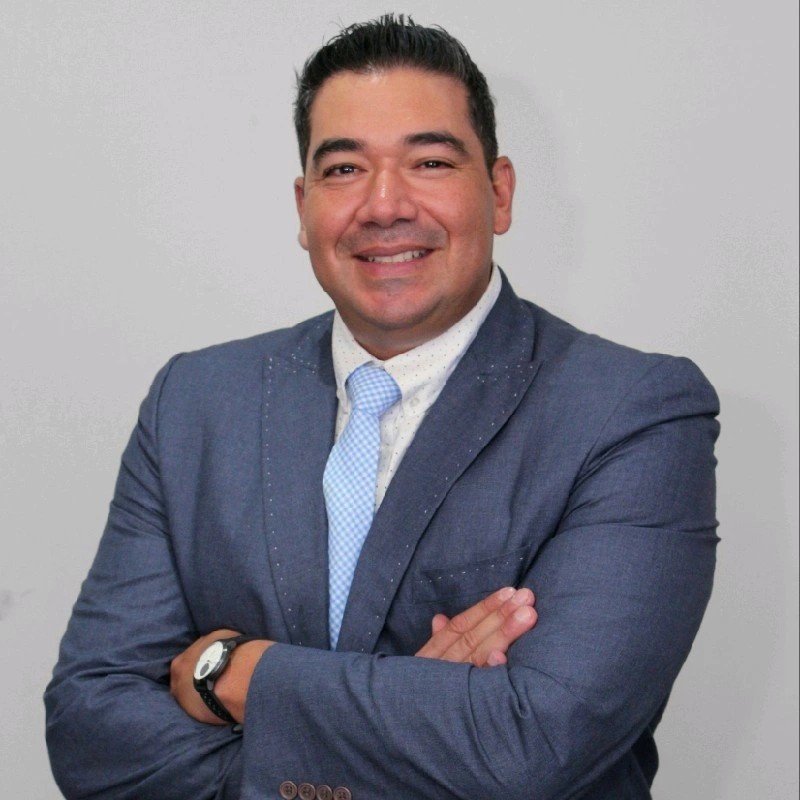 Juan Carlos Reyes
JC is the president of the National Commission of Digital Assets in El Salvador, an autonomous government agency tasked with the oversight and regulation of all cryptocurrencies, tokens and other digital financial instruments.
Juan Carlos Reyes
JC is the president of the National Commission of Digital Assets in El Salvador, an autonomous government agency tasked with the oversight and regulation of all cryptocurrencies, tokens and other digital financial instruments.
Tainted Bitcoins in Your Wallet or Your Country: The Case for Licensed Exchanges

In most countries, regulators and supervisors misunderstand digital assets, treating them as traditional financial instruments when they are, in fact, computer programs designed to function like financial instruments, powered by blockchain’s transparency, traceability, and immutability. Many regulators hesitate to take this industry seriously, and outdated laws hinder effective oversight. As President and Chief Regulator of El Salvador’s National Digital Assets Commission (CNAD), I have carried this urgent message to policymakers in Uruguay, Argentina, Paraguay, Colombia, Brazil, Bolivia, and Mexico, warning that Latin America risks becoming a hotbed for money laundering and tainted cryptocurrencies without swift, balanced regulation.
El Salvador leads the way with our Digital Assets Issuance Law (LEAD), the world’s first of its kind, requiring every company engaging in digital asset activities—issuance, trading, or custody—to obtain a license from CNAD. Our focus is clear: attract the world’s leading cryptocurrency exchanges to El Salvador and collaboratively develop robust supervision rules. By ensuring regulated exchanges are the primary avenue for digital asset transactions, we protect citizens from the risks of buying “off the street” or through unregulated decentralized exchanges (DEXs) like Hyperliquid, which require zero KYC and expose users to fraud and illicit assets. CNAD’s efforts have also made El Salvador a global hub for stablecoin innovation, hosting major issuers like Tether, the largest stablecoin by market capitalization.
The Threat of Tainted Cryptocurrencies
In all my talks, I fervently remind everyone listening that blockchain technology is superior because of its immutability, transparency, and traceability. Now that regulation is maturing, particularly in the United States, Latin American countries need to take serious note! Blockchain’s traceability means that cryptocurrencies tied to illicit activities—such as money laundering or terrorist financing—carry a visible criminal history. Holding these “tainted” Bitcoins, even if acquired unknowingly, can lead to frozen accounts, seized assets, or legal consequences. U.S. agencies like the Office of Foreign Assets Control (OFAC) and the Financial Crimes Enforcement Network (FinCEN) are intensifying their surveillance, using advanced tools to track illicit crypto flows, with hundreds of billions of dollars in assets linked to crimes in recent years. Under OFAC’s strict liability rules, anyone holding tainted cryptocurrencies risks penalties, regardless of intent. Unregulated markets amplify this threat, allowing dirty coins to circulate freely and exposing countries to accusations of enabling money laundering, which can trigger international sanctions.

Unregulated Access: The Hyperliquid Example
The accessibility of digital assets heightens these risks. Consider Hyperliquid, a decentralized exchange (DEX) gaining global traction. Operating on its own high-speed Layer-1 blockchain, Hyperliquid offers perpetual futures trading with up to 50x leverage, zero gas fees, and a fully on-chain order book rivaling centralized exchanges. Signing up requires only an email address or a Web3 wallet like MetaMask—no KYC, no identity verification, no barriers. Users can bridge funds from Arbitrum (using ETH for gas and USDC as collateral) and trade over 100 assets, including BTC, ETH, and altcoins, in minutes.
This frictionless access, while innovative, exposes users to tainted coins, fraud, and illicit flows. Platforms like Hyperliquid bypass oversight, enabling anyone to engage in high-risk trading without accountability. In my discussions across Latin America, I’ve warned that dismissing digital assets as “do business at your own risk” or banning government involvement drives activity underground, where blockchain’s traceability can still expose a nation’s involvement in illicit transactions. Licensed exchanges are the solution, ensuring oversight and accountability.
El Salvador’s Leadership: A Regulated Ecosystem
El Salvador’s LEAD and CNAD’s oversight provide a global model for addressing these risks. By requiring CNAD licensing for all digital asset activities, we ensure that only vetted, compliant entities operate in our markets, drastically reducing the risk of tainted cryptocurrencies. Our focus on attracting the world’s leading exchanges has created a robust, regulated ecosystem, offering citizens safe and accessible options for digital asset transactions. This approach minimizes reliance on risky P2P platforms and no-KYC DEXs like Hyperliquid. Hosting major stablecoin issuers like Tether further cements El Salvador’s role as a hub for innovation and security. Our rigorous yet forward-thinking framework has enabled us to welcome reputable global firms while swiftly rejecting fraudulent projects, setting a standard for others to follow.
The Global Challenge: A Unified Vision for Regulation
From my experience consulting, helping, and leading CNAD, I have seen a tendency in the region to adopt flawed regulatory approaches—some overly lax, leaving citizens vulnerable to fraud and tainted cryptocurrencies; others excessively stringent, stifling innovation; and some overly focused on taxation, pushing users to decentralized, non-KYC exchanges where self-custody allows them to evade reporting. These missteps highlight a critical need for industry expertise to guide regulators, supervisors, and governments. Digital assets have no geographical barriers, and their supervision shouldn’t either. El Salvador’s model—centered on licensed exchanges and collaborative rule-making with industry leaders—shows that regulation can balance innovation and security. I urge every country in the world to share our vision for robust, unified digital asset regulation. CNAD’s doors are always open to assist any government regulator in crafting frameworks that protect citizens and economies from the visible dangers of tainted cryptocurrencies, fostering a global united vision for the future of digital finance.
Juan Carlos Reyes is the President and Chief Regulator, National Digital Assets Commission (CNAD), El Salvador, the regulatory authority dedicated to overseeing and promoting the development of the digital assets ecosystem. CNAD’s primary objectives include ensuring compliance with regulatory standards, fostering innovation, and maintaining a secure environment for digital asset transactions.