


 Buy a licensed company
  VASPs live data and insights
  Learn about crypto safety
  Read the latest research

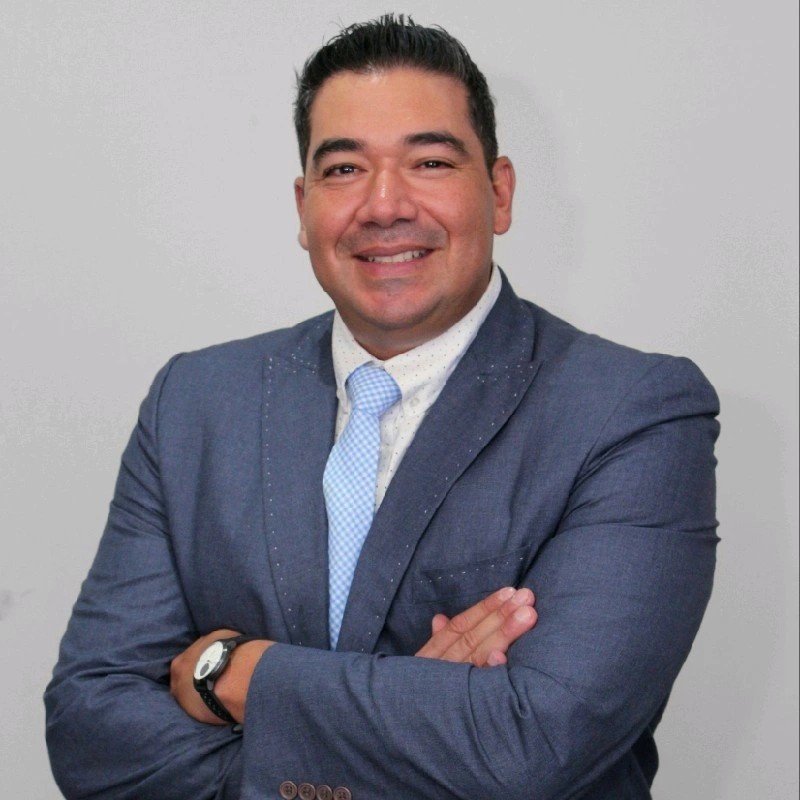 Juan Carlos Reyes
JC is the president of the National Commission of Digital Assets in El Salvador, an autonomous government agency tasked with the oversight and regulation of all cryptocurrencies, tokens and other digital financial instruments.
Juan Carlos Reyes
JC is the president of the National Commission of Digital Assets in El Salvador, an autonomous government agency tasked with the oversight and regulation of all cryptocurrencies, tokens and other digital financial instruments.
El Salvador’s Blueprint for Digital Asset Regulation: Lessons from a Bitcoin-Powered Journey
Digital assets—like cryptocurrencies, Real World Asset (RWA) tokens or tokenized investments—are revolutionizing finance, but their rapid rise has also spawned speculative ventures prone to collapse. El Salvador has carved a distinct path, leveraging its early adoption of Bitcoin as legal tender in 2021 to create a secure, transparent framework for digital assets. Recent examples—like Argentina’s Libra coin, hyped as an economic fundraising tool before crashing; the Cuban Ministry of Foreign Affairs’ hacked account promoting the $CUBA coin, which rug-pulled $30 million in a day; the Africa Coin scam; and other failed meme coins—echo the Initial Coin Offering (ICO) days of 2017-2018, when pump-and-dump schemes and rug pulls left investors burned and the industry scarred.
This article outlines twelve reasons why such failures are unlikely in El Salvador, tracing its journey from Bitcoin pioneer to digital asset leader.
1. Responsible Tokenization
Tokenization is turning real-world value (like a house or a bond) into digital tokens you can trade. The CNAD ensures these tokens are backed by solid assets, avoiding the wild swings seen in speculative coins.

2. Robust Legislation
El Salvador passed a special law just for digital assets, setting tough entry rules for companies. It’s like a bouncer at the door, keeping out troublemakers.
3. Comprehensive Risk Assessment
The CNAD uses a custom-built risk matrix—a kind of scorecard—to test every company and asset for dangers like money laundering (hiding illegal funds), terrorism financing, ponzi, rug pulls or tech weaknesses. Only those that pass make the cut.
4. Marketing by Approved DASPs
Only Digital Asset Service Providers (DASPs)—companies officially approved by the CNAD—can sell these assets. They follow strict rules to keep buyers informed and protected.
5. Smart Contract Governance
Digital assets here are managed by smart contracts—self-running computer codes on a public blockchain that automatically enforce rules. This locks in security and stops theft.
6. Expert Financial Oversight
A team of financial pros with years of experience reviews every new asset, making sure it’s tied to something real—like property or goods—and has a clear purpose. This stops empty hype from taking over, a problem in less-regulated markets.
7. Pre-Registration Process
The National Commission of Digital Assets (CNAD), El Salvador’s dedicated oversight body, begins with a rigorous vetting process. It checks cybersecurity through Know Your Customer (KYC)—verifying individuals; Know Your Business (KYB)—examining companies; and Know Your Transaction (KYT)—tracking money flows. It also ensures safe asset storage, uses geofencing (digital borders to control sales), and screens owners against global watchlists, setting a high entry standard.
8. Digital Asset Approval
Before any digital asset—like a cryptocurrency or a token—can be sold in El Salvador, it needs the CNAD’s green light. This ensures it meets safety and fairness standards. Selling without approval? It’s against the law.
9. Independent Risk Filter
Before approval, a third party independent risk assessment company double-checks every asset for risks to buyers. This extra layer of protection increases transparency.
10. Regulated Public Offerings
Some assets promise big projects—like building infrastructure—and act like traditional investments (securities). The CNAD puts these through tough tests to keep investors safe.
11. Memecoins as Collectibles
Memecoins—like Libra with its hype-driven buzz—are not part of our market and wouldn’t pass the risk matrix.
12. Transparency and Scam Detection
El Salvador prioritizes clear financial records and stopping dirty money, with a “scam detection” team with an eye for companies breaking the law, like the promotion of unapproved products.
What sets El Salvador apart is its dedicated digital asset law, which created CNAD as an independent overseer. The country has worked hard to staff it with the best in finance and tech, building a team that’s ahead of the curve.
El Salvador’s journey from Bitcoin pioneer to digital asset leader is more than a national triumph—it’s a vision for Latin America. As President of CNAD, I bring a personal stake to this mission: born in El Salvador, raised in Canada, and shaped by a career in this industry, I see a unique opportunity for Latin America to lead the world in this industry. Like many who left our countries young and built expertise abroad, I returned because doing this right can draw successful leaders back to Latin America, sparking change that lifts the region. We’ve offered our help to every nation that wants it, including Argentina, where we’ve aided their regulatory efforts—we believe a robust digital asset framework across Latin America benefits us all.
Yet, a registry and basic rules are just the start; true strength lies in a system we have built. This industry is here to stay—consider this: the cryptocurrency market is already worth over $3.2 trillion, and the Boston Consulting Group estimates tokenized real-world assets could hit $10-30 trillion by 2030. My vision is bigger than protecting markets: it’s about making Latin America a place of boundless opportunity, a magnet for talent and innovation where people want to migrate to, not from. El Salvador has cracked the code, and we’re ready to help the region lead this global transformation, turning potential into prosperity for all.