


 Buy a Licensed Company
  Explore VASP Data
  Talk to an Expert

 Atis Shala
Atis is a senior analyst and community lead with four years of experience in crypto. He has a bachelor from the Rochester Institute of Technology.
Atis Shala
Atis is a senior analyst and community lead with four years of experience in crypto. He has a bachelor from the Rochester Institute of Technology.
Tokenizing Your Brand: Why Every Influencer Needs a Fan Coin

- The creator economy is shifting from relying on rented, algorithm-driven attention to building owned, community-centric economies.
- Fan coins act as digital membership keys, unlocking exclusive perks, access, and rewards, rather than speculative financial investments.
- By giving supporters something tangible to hold and use, fan coins transform passive viewers into active participants with a genuine stake in the creator’s ecosystem.
- Tokenization allows influencers to monetize directly through tiered access, VIP events, and exclusive merch, drastically reducing dependence on unpredictable sponsorships.
- The blockchain is the easy part. A successful fan coin requires a simple, long-term plan for real-world utility; hype-driven tokens without substance are doomed to fail.
- To build a durable digital economy, creators must prioritize transparency, clear communication, and legal compliance to avoid the reputational pitfalls of digital assets.
The Creator Economy Is Entering Its Tokenized Era
For more than a decade, influencers have played the same game. They build an audience, capture attention, and then sell that attention back through sponsorships, ad revenue, subscriptions, and merchandise. The model works, but it has a ceiling. You can only rent attention for so long before the algorithm shifts or the brand deals dry up.
Now a different model is taking shape. Instead of only monetizing attention, creators are starting to monetize belonging. The tool driving this change is the fan coin.
A fan coin moves the relationship from audience-building toward community ownership. It gives supporters something to hold, use, and participate with, rather than something to passively scroll past. Web3 and digital ownership have made this possible, because fans can now own a piece of the brand world they love.

Creators need new monetization models because the old ones leave them exposed. Platforms change rules overnight. Sponsorship income swings month to month. Meanwhile, fans increasingly want deeper involvement, not just more content to consume.
This article makes one core argument: a fan coin can become a loyalty layer, a community tool, and a small brand economy all at once. It is infrastructure.
What Is a Fan Coin?
Before diving into strategy, the concept needs a clear definition. A fan coin, also called a creator token, social token, or community token, is a digital asset connected to an influencer’s brand ecosystem. It usually lives on a blockchain, which makes it transferable and verifiable. However, it does not have to be positioned as an investment. In fact, the strongest fan coins avoid that framing entirely.
Its main purpose is access, rewards, loyalty, participation, and community engagement. Think of it as a membership key rather than a stock certificate.
The utility can take many forms. A fan coin might unlock access to private content. It might grant early access to merchandise. It can serve as entry into exclusive groups, or as a voting mechanism on creative decisions. Some creators use it for discounts on products or events. Others use it to reward community participation, or to assign digital badges and status levels.
It also helps to clarify what a fan coin is not, because the terms get mixed up often.
The Fan Coin Concept
A fan coin is a token tied to a creator or personal brand, designed mainly for utility within that creator’s world. An NFT, by contrast, is a unique digital collectible or membership asset, and each one is distinct rather than interchangeable. A cryptocurrency is a broader digital currency or blockchain asset, built for payments or value transfer across the wider economy. Loyalty points, meanwhile, are usually centralized and non-transferable, locked inside one company’s system with no life outside it.
The key difference is intent. A cryptocurrency wants to be money. An NFT wants to be unique. Loyalty points want to keep you shopping at one store. A fan coin wants to make you feel like a member of something.
Once you understand that distinction, the rest of the strategy becomes much easier to design.
Why Influencers Should Care About Brand Tokenization
So why now? The answer lies in the weaknesses of traditional creator platforms.
Most influencers operate on rented land. They depend on algorithms to reach their own followers, on brand deals for income, and on platform rules that can change without warning. When any of those three pillars wobbles, the creator feels it immediately.
Algorithms can limit reach, sometimes cutting a creator off from the very audience they spent years building. Sponsorship income can be inconsistent, arriving in waves rather than a steady stream. Platform rules can change quickly, and a single policy update can reshape an entire content strategy.
At the same time, fan expectations have shifted. Fans want deeper involvement, not just passive content. They want to feel close to the creators they support. Communities are becoming more valuable than follower counts, because a small, engaged group often outperforms a large, indifferent one.
Brand tokenization responds directly to these problems. A fan coin helps a creator build a more direct, owned relationship with supporters. The creator sets the terms, the perks, and the economy.
Here is the key message. Tokenization gives influencers a way to build an economy around their brand instead of only monetizing attention. Attention is borrowed. An economy can be owned.
That shift in ownership is the entire point, and it is why forward-thinking creators are paying attention now rather than later.
The Fan Coin as a Community-Building Tool
The most common mistake people make about fan coins is assuming they are about speculation. The strongest use case is actually community design.
A fan coin can create a genuine sense of belonging. With one in their wallet, fans are no longer only viewers. They become members, contributors, and participants in the creator’s ecosystem. That psychological shift changes how people behave.
Creators can use coins to reward top fans for engagement, recognizing the people who show up consistently. They can create tiered community access, so different levels of support unlock different experiences. They can give fans a voice in brand decisions, turning the audience into a sounding board. Over time, this turns passive followers into active members and builds long-term loyalty through shared identity.
A simple tiered structure shows how this works in practice:
- 10 coins unlock access to a private livestream.
- 50 coins unlock a monthly Q&A session.
- 100 coins unlock early product drops.
- 500 coins unlock VIP event access.
- 1,000 coins unlock advisory community or ambassador status.
Notice that none of these tiers promise money. They promise access, recognition, and influence. That is intentional. When you emphasize utility and participation over financial promises, you build a community that sticks around because it values the experience.
A community built on speculation collapses the moment the price drops. A community built on belonging survives market cycles, because its value was never financial in the first place.
How Fan Coins Create New Revenue Streams
Community matters, but so does income. This is where fan coins become genuinely practical for creators, because they support revenue well beyond ads and sponsorships.
Direct token sales come first. Influencers can sell fan coins as access passes, memberships, or loyalty assets. The sale itself generates income, and the coin keeps working long after the transaction.
Premium communities offer a second stream. Fan coins can unlock private Discord groups, Telegram channels, courses, livestreams, or other exclusive content. The coin becomes the key, and the gated space becomes the product.
Merch, Events, and Experiences as a Revenue Stream
Merchandise and product drops add a third. Creators can use coins for early access, discounts, limited-edition products, or claimable rewards. This rewards loyal holders while driving sales at the same time.
Events and experiences create a fourth. Coins can power meetups, VIP tickets, workshops, retreats, or online sessions. Because the coin verifies membership, it simplifies how creators manage access to these experiences.
Brand partnerships open a fifth. Sponsors may want to reward fan coin holders with exclusive offers. Suddenly the community becomes a valuable marketing channel, and the creator can negotiate from a position of strength. A sponsor is not just buying a shoutout. They are reaching a verified, engaged group.
Finally, there is secondary ecosystem value. If designed correctly and legally, fan coins may circulate within a creator’s ecosystem. That circulation can increase engagement and retention, because the coin keeps moving and keeps being useful.
One caution belongs here. Revenue design should stay transparent, compliant, and focused on real utility. A coin that promises returns invites legal trouble and attracts the wrong crowd. A coin that delivers genuine value builds something durable. The goal is a working economy, not a quick payday.
Fan Coins and Personal Brand Ownership
Step back for a moment and consider what an influencer actually is today. The label content creator no longer captures it. Modern influencers are media companies, lifestyle brands, educators, entertainers, and community leaders, often all at once.
A fan coin fits naturally into that bigger picture. It can become part of the creator’s brand infrastructure, sitting alongside the website, the newsletter, and the product line as a core piece of the operation.
A fan coin can represent membership in the brand world, a visible sign that someone belongs. It can strengthen emotional connection, because holding something feels different from following something. On top of that, it can help creators own more of their audience relationship, reducing reliance on platforms that sit between creator and fan. It can also become a recognizable symbol of community identity, almost like a flag the community rallies around. Moreover, it can make the brand feel more interactive and participatory, inviting fans in rather than keeping them at arm’s length.
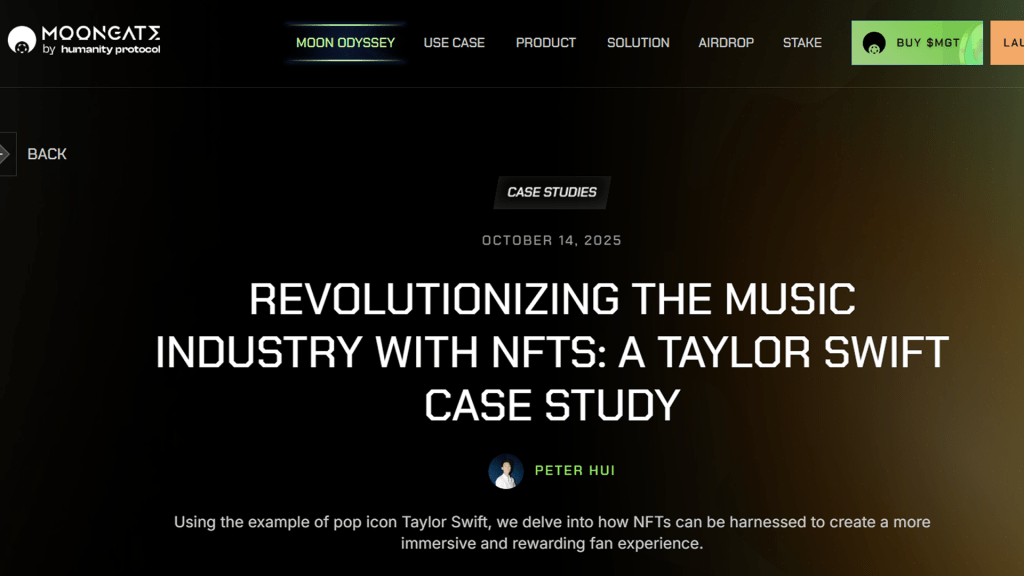
Here is a line worth holding onto. A fan coin turns a personal brand from something people follow into something people can belong to.
That distinction carries real weight. Followers are a number. Members are a community. And a community, unlike a follower count, can be built on, defended, and grown for years.
Practical Use Cases for Influencers
The value of a fan coin shifts depending on the creator’s niche. Breaking it down by category makes the idea concrete.
- Fitness influencers can use fan coins to unlock workout plans, nutrition guides, private challenges, or live coaching. The coin becomes a gateway to structured, results-driven content that fans already want.
- Fashion and beauty influencers can offer early product access, limited-edition drops, styling sessions, or brand collaborations. In a space driven by exclusivity and timing, a coin that grants first access has obvious appeal.
- Gaming influencers can reward viewers, unlock private tournaments, grant access to streams, or support community rankings. Gaming audiences already understand digital items and in-game economies, so the concept feels familiar to them.
- Educators and coaches can use fan coins for course access, office hours, templates, private communities, and certification-style rewards. The coin organizes a learning ecosystem and signals progress within it.
- Musicians and artists can unlock unreleased music, backstage content, digital collectibles, fan voting, or private listening parties. Music fandom runs deep, and a coin gives that devotion something tangible to attach to.
- Lifestyle creators can support paid communities, travel guides, exclusive newsletters, and curated product recommendations. The coin ties together a scattered range of content into one membership.
The pattern across all of these is clear. The value of a fan coin depends on the creator’s niche, audience behavior, and brand promise. There is no universal template. The best fan coin is the one designed around what a specific community actually wants.
How to Design a Fan Coin Strategy
Launching a fan coin should start with strategy, not technology. The blockchain part is the easy part. The hard part is designing something people genuinely want to use. The following framework breaks the process into clear steps.
Step by Step Guide to Fan Coins
Step 1: Define the purpose. Decide what the fan coin is actually for. It might serve loyalty, access, rewards, governance, events, content, or product discounts. Pick a primary purpose before anything else, because that decision shapes everything downstream.
Step 2: Know the audience. Different audiences respond differently. A crypto-native gaming audience may embrace a coin instantly. A beauty, wellness, or education audience may need more guidance and simpler framing. Match the design to the people, not the other way around.
Step 3: Create real utility. A coin needs clear benefits. Fans should understand why it exists and what they can do with it. If you cannot explain the utility in one sentence, the design needs more work.
Step 4: Build a simple token economy. Decide how fans earn, buy, use, or redeem coins. Map the full loop, from how a coin enters a fan’s hands to how it gets spent. A clear loop keeps the economy healthy.
Step 5: Avoid overcomplication. The fan experience should be simple. Fans should not need deep crypto knowledge to participate. If your community has to learn about gas fees and wallets just to join, most of them will not bother.
Step 6: Communicate clearly. Explain the coin as a community and loyalty tool, not a get-rich-quick opportunity. Honest framing attracts the right people and protects your reputation.
Step 7: Plan for long-term value. A fan coin needs ongoing content, rewards, events, and community management. Without continued effort, even a well-designed coin loses meaning.
One point deserves emphasis above all the rest. A fan coin is not a one-time campaign. It is an ongoing brand ecosystem. Treat it like a product you maintain, not a launch you forget.
Risks, Challenges, and Legal Considerations
Although they are a cool concept, fan coins carry real risks. Regulatory uncertainty sits at the top of the list. Rules around digital assets vary by country and continue to evolve. What is allowed today may face scrutiny tomorrow.
Fans misunderstanding the coin as an investment is another serious risk. If supporters expect financial returns, disappointment and even legal exposure can follow. Price speculation can also damage the community, because a coin that swings wildly attracts traders rather than fans.
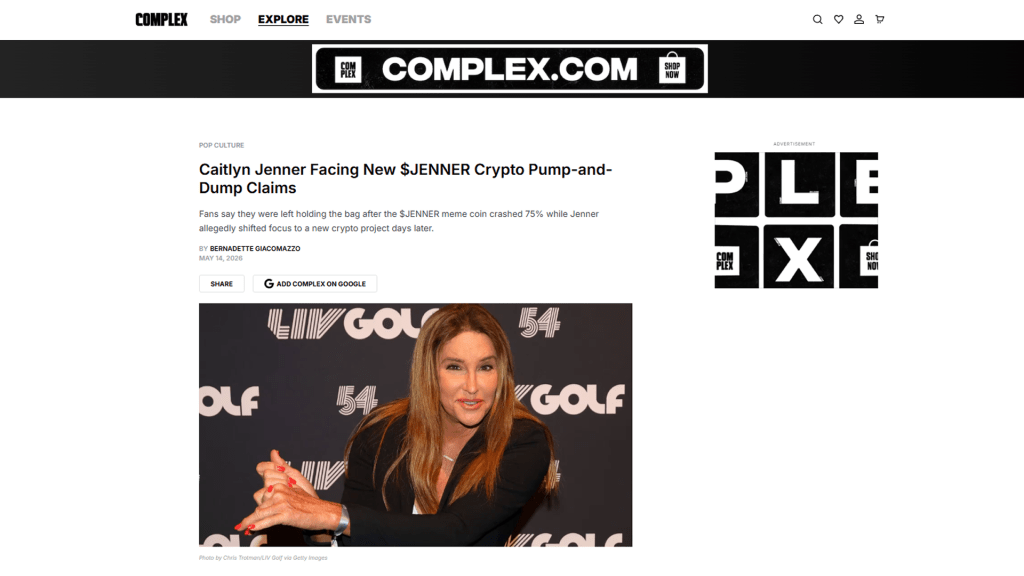
Poor token design creates its own problems. A badly structured economy can collapse or simply confuse people. Security risks add another layer, since wallets, contracts, and platforms can all be targeted. A lack of long-term utility is just as dangerous, because a coin with nothing to do becomes worthless in practice. And if the whole project feels like a cash grab, the reputation damage can outlast the coin itself.
Several legal and ethical considerations help manage these risks. Avoid promising financial returns, full stop. Be transparent about supply, access, and benefits, so fans know exactly what they are getting. Consider legal advice before launch, because professional guidance is far cheaper than a lawsuit. Use clear terms and conditions. Protect younger or inexperienced audiences, who may not understand what they are buying. Above all, focus on utility, access, and community value rather than financial upside.
Covering these risks openly is not a weakness in the fan coin model. It is what separates a serious, lasting project from a hype-driven one that burns out fast.
Fan Coin vs. Traditional Membership: Which Is Better?
Fan coins are not the only way to monetize a community. Patreon, paid newsletters, subscriptions, and loyalty programs have worked for years. So how do they compare?
Traditional memberships are simpler. They are easy to set up, easy to understand, and require no crypto knowledge. Fan coins, on the other hand, may offer more flexibility, portability, and community participation.
| Feature | Traditional Membership | Fan Coin |
| Access | Yes | Yes |
| Community identity | Limited | Strong |
| Transferability | Usually no | Possible |
| Rewards | Yes | Yes |
| Ownership feeling | Low | Higher |
| Technical complexity | Low | Medium to high |
| Web3 compatibility | No | Yes |
The takeaway is balanced. Fan coins are not automatically better. A traditional membership may be the smarter choice for a creator who wants simplicity. But a fan coin can be more powerful when the creator has a loyal, engaged community and a strong plan for utility. The right tool depends on the creator.
The Future of Influencer-Led Economies
Zoom out, and a bigger shift comes into view. The next phase of the creator economy may be less about follower counts and more about owned ecosystems.
Influencers may build mini-economies around their content, products, courses, events, and communities. The creator becomes less of a broadcaster and more of an economy builder, designing systems where fans participate rather than just watch.
Several possibilities point toward that future. Token-gated content could become standard, where access depends on holding a coin. Fan-owned communities may emerge, giving supporters a real stake. Creator DAOs could let communities govern themselves collectively.
AI-personalized fan experiences may tailor perks to individuals. Cross-platform loyalty systems could let a coin work everywhere a creator operates. Digital identity linked to creator communities may become a normal part of being a fan. And brand partnerships built around tokenized audiences could reshape how sponsorships work entirely.
None of this is guaranteed, and the timeline is uncertain. But the direction is consistent. Fan coins look like an early step toward a broader shift, one where creators become community economy builders rather than content producers alone.
To ground this in current data, the Web3 sector that underpins fan coins has grown steadily as a job market, even through crypto’s ups and downs.
Conclusion: A Fan Coin Is More Than a Token
Pulling it all together, a few points stand out.
Fan coins can help influencers deepen loyalty, turning casual followers into committed members. They can unlock new revenue streams, well beyond ads and sponsorships. They can turn audiences into communities, which is a fundamentally more valuable thing to own. But they only work with real utility, transparency, and long-term planning behind them.
The fan coins that fail are the ones built around hype. The fan coins that last are built around belonging. That difference is everything.
For influencers, the future is not just about being followed. It is about building a brand people can participate in, support, and proudly belong to.
Frequently Asked Questions (FAQs)
What is a fan coin?
A fan coin is a digital token created by an influencer, creator, or brand to give fans access to exclusive content, rewards, experiences, community benefits, or participation rights.
Why would an influencer create a fan coin?
An influencer may create a fan coin to build a stronger community, reward loyal fans, create new revenue streams, offer exclusive access, and reduce dependence on social media platforms.
Is a fan coin the same as a cryptocurrency?
A fan coin can use blockchain technology like a cryptocurrency, but its main purpose is usually community access, loyalty, and engagement rather than general payment or investment.
How can fans use a fan coin?
Fans may use a fan coin to access private content, join exclusive groups, vote on creator decisions, receive discounts, attend events, or earn rewards.
Are fan coins risky?
Yes. Fan coins can involve regulatory, technical, financial, and reputation risks. Influencers should focus on utility, transparency, security, and legal compliance.
Do all influencers need a fan coin?
Not every influencer needs one immediately. A fan coin works best for creators with loyal communities, clear brand value, and a plan for long-term fan engagement.