


 Buy a Licensed Company
  Explore VASP Data
  Talk to an Expert


Navigating the Complexities of Cryptocurrency Futures Trading
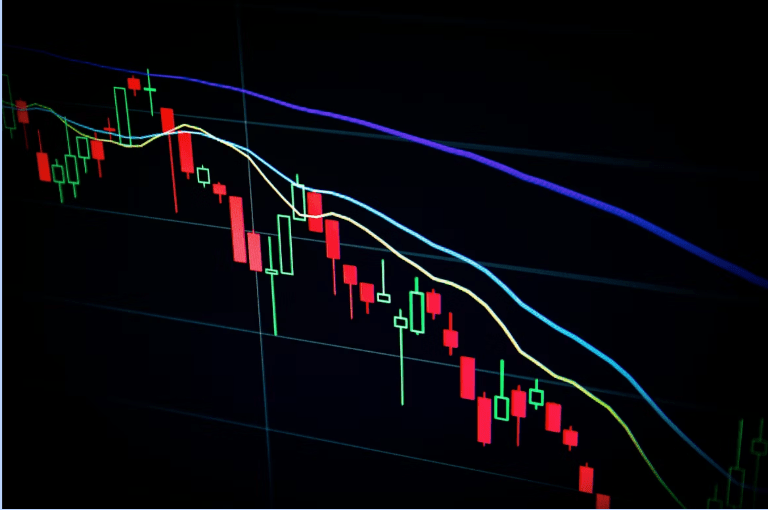
Photo courtesy of Unsplash
The cryptocurrency market has matured well beyond simple buying and selling. Today, traders have access to sophisticated financial instruments such as cryptocurrency futures. These contracts make it possible to speculate on the future price of digital assets, manage risk, and potentially diversify trading strategies.
At the same time, futures carry unique complexities that require a solid understanding before participation. Below is an overview of how cryptocurrency futures work, their benefits and risks, and where traders can learn more about them.

What Are Cryptocurrency Futures?
According to Kraken, cryptocurrency futures are standardized agreements to buy or sell a specific digital asset, such as Bitcoin or Ethereum, at a predetermined price on a set future date. Unlike spot trading, which involves immediate settlement and ownership, futures enable speculation on price direction without direct possession of the underlying asset.
Derivatives, including futures, accounted for over 60% of total crypto trading volume, signaling a strong shift toward advanced trading mechanisms in the crypto market, as opposed to the traditional trends we’re used to seeing.
Benefits of Futures Trading
Here are the benefits of futures trading:
1. Leverage for Amplified Returns
Futures allow traders to open larger positions with smaller capital, potentially magnifying profits. For example, with 10x leverage, a trader can open a $50,000 position with just $5,000. This amplification can result in significant profits from small price movements. However, while leverage enhances potential gains, it also magnifies losses, making disciplined risk management crucial.
2. Hedging Against Market Volatility
One of the key appeals of cryptocurrency futures is their ability to act as a hedge. Investors who hold large amounts of Bitcoin or Ethereum can open short positions in futures to offset potential losses during price declines. This form of protection is especially valuable in the crypto market, where double-digit daily swings are not uncommon.
3. Increased Market Liquidity
The crypto futures trading market attracts institutional traders, hedge funds, and professional market makers, resulting in higher liquidity levels compared to spot markets. Increased liquidity means tighter spreads, faster execution, and reduced price slippage, all of which benefit traders, especially during high-volatility periods.
Key Risks to Consider
While futures offer enticing opportunities, they also come with inherent risks:
- High leverage risks: Leverage magnifies gains and losses, increasing the potential for significant financial loss.
- Market volatility: Sudden price changes in crypto can trigger margin calls or liquidations, leading to rapid capital erosion.
- Regulatory uncertainty: Varying global regulations may impact the accessibility and legality of futures trading in different jurisdictions.
The Future of Futures Trading in Crypto
As institutional adoption grows and regulatory frameworks mature, future cryptocurrency trading is expected to expand significantly. Data suggests the global crypto derivatives market could surpass $10 trillion in annual volume by 2030, further solidifying its place in the financial landscape.
Innovation in decentralized finance (DeFi) is also expected to expand futures trading beyond centralized exchanges. Platforms are developing on-chain derivatives protocols, allowing traders to maintain custody of their assets while accessing advanced trading tools. As technology evolves, features like cross-margin trading, advanced risk management systems, and AI-driven analytics will likely become standard, making futures trading more efficient and secure.
Frequently Asked Questions
Futures trading, without the proper guidance, can be a tough field to tread through. Here are the most frequently asked questions:
-
Where can someone trade cryptocurrency futures?
Several regulated platforms list cryptocurrency futures. According to Kraken’s features page, the exchange provides futures trading on multiple digital assets for eligible clients in certain regions (availability depends on local laws and regulations).
-
How do Bitcoin futures work?
Bitcoin futures function like other cryptocurrency futures: a contract obliges the buyer or seller to trade Bitcoin at a future date and price. This allows traders to speculate on price movements or hedge existing Bitcoin holdings.
-
What is the “best” futures trading platform?
“Best” varies by trader preference, location, and regulatory eligibility. Key considerations include security standards, liquidity, range of listed contracts, fee schedules, and risk-management tools. Exchanges such as Kraken provide detailed information about available markets, margin requirements, and supported assets.
Endnote
Futures trading is a core component of the evolution of the cryptocurrency market. For traders who understand the mechanics, risks, and strategies involved, futures can offer unique opportunities for profit, diversification, and protection against market volatility. However, as with any high-leverage instrument, education and risk management are essential to long-term success.