


 Buy a Licensed Company
  Explore VASP Data
  Talk to an Expert


How Dogecoin Works for Tiny, Everyday Payments
Dogecoin transaction fees average around $0.003 (median), thanks to fast 60-second block times and unlimited blockspace. This makes DOGE well-suited for tipping and everyday micropayments, though fees and DOGE’s dollar value can fluctuate with network demand and price swings.
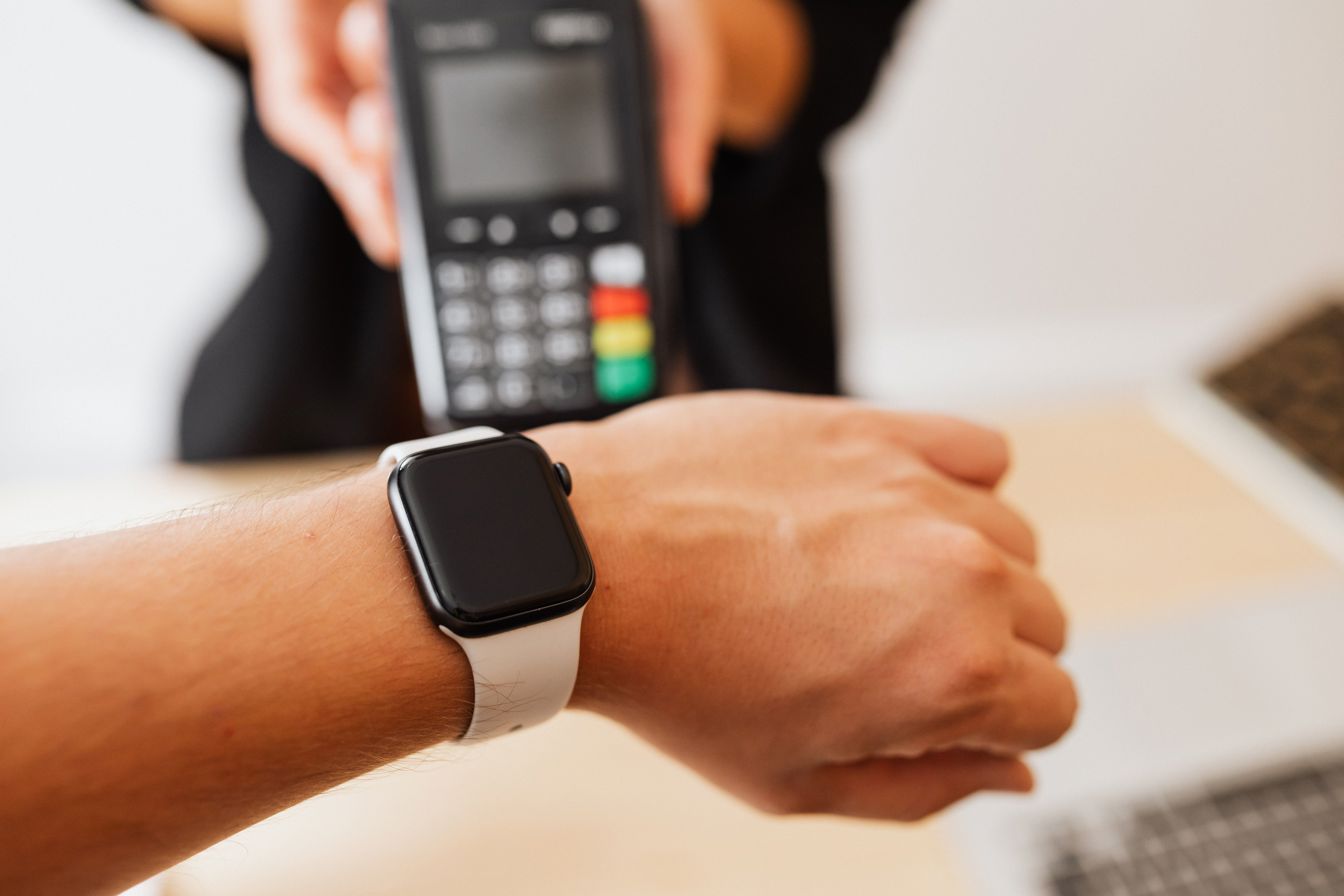
A typical Dogecoin transaction costs about 0.037 DOGE in fees, roughly $0.003, based on median network data recorded on 17 September 2026. Under half a cent to move money to another person, anywhere in the world.
Hold that number in mind, because it explains what the coin is built for better than any price of dogecoin chart ever will. Binance, one of the largest cryptocurrency exchanges by trading volume, tracks that figure minute by minute.

Most people file Dogecoin under the funny one. Fair enough. But its first real job, back in 2013, was letting people tip each other on Reddit and Twitter for a good meme or a helpful answer. It started as an in-joke between two developers who barely expected anyone to use it. Small payments have been the point from the beginning. So it is worth looking at why the fees stay low, where people spend DOGE today and what to know before treating it like loose change.
Why Are Dogecoin Fees So Low?
Dogecoin fees stay low because the network confirms blocks quickly and never runs short of space.
The network settles a fresh block roughly every 60 seconds. Bitcoin takes about ten minutes. That gap counts for more than it sounds. Waiting ten minutes to confirm a fifty-cent tip feels absurd, and Dogecoin sidesteps that friction. There is also no supply cap; the protocol mints around 10,000 new coins with every block, so blockspace stays plentiful and fees have little reason to climb.
Cheap, roomy blockspace only earns its keep if you move small amounts often. That is tipping. That is splitting a bill. Dogecoin was never designed as digital gold locked in a digital bank for a decade. The design fits the job it was given.
Where Do People Spend Dogecoin?
People spend DOGE on real things today.
The clearest sign shows up on Twitch, where viewers tip streamers and buy subscriptions with Dogecoin; the 2013 tipping habit reborn on a platform millions already open every night. Elsewhere, acceptance tends to run through payment processors rather than direct integrations, which is why the list of well-known names is shorter than enthusiasts suggest:
Tesla accepts Dogecoin directly for selected merchandiseNewegg supports DOGE at checkoutMicrosoft has accepted it through BitPay for store creditThousands of smaller independent merchants accept it via processors such as BitPay and CoinPayments
Very few people mine their first coins. They buy a small amount on an exchange, hold it for a while, then send their first tip once they have found their feet. That acquire-then-spend path is how nearly every DOGE story begins, and it usually starts with far less money than outsiders assume.
How Much Does A Dogecoin Transaction Really Cost?
Low fees are the norm with Dogecoin, though they come with no guarantee, and being straight about that is the only honest way to talk about spending money.
Fees move, so look at the spread rather than one flattering figure. On 17 September 2026, the median Dogecoin transaction fee sat at roughly $0.003 while the average was around $0.033, because a handful of larger, data-heavy transactions pull the average up. And when demand surges, costs can jump hard; one record showed a rise of over 1,500 percent in the per-transaction fee between December 2020 and January 2021, according to figures collated by Statista. That spike lined up with a wave of newcomers crowding in at once.
There is a second wrinkle. Price swings mean the dollar value of a tip can drift between the moment you send it and the moment someone spends it. DOGE traded at about $0.0815 on 17 September 2026, down roughly 2.9 percent across the previous week. A dollar tip today might be worth ninety cents by the weekend. Checking a live rate before you send takes ten seconds and removes the guesswork.
Which raises a fair question. If a tip costs a fraction of a cent one week and a little more the next, is DOGE less useful for tipping, or simply behaving like cash, whose buying power also wobbles from month to month?
Is Dogecoin A Serious Payment Network?
Dogecoin has never been the biggest name in the room. Its appeal is the simplicity: handing someone a tiny amount without a middleman taking a cut or an app asking for your life story.
That job runs on sturdier foundations than the jokes suggest. Since 2014, Dogecoin has been merge-mined with Litecoin, borrowing established Scrypt hashpower for security instead of competing for its own miners. Reliable, cheap and understood by ordinary people; that is a rare combination in crypto.
As tipping features keep spreading across creator platforms, a fast and familiar coin has a genuine lane to run in, provided the fees stay as reasonable as they have been. Buying a small amount and sending a first tip is usually all it takes to find out how well it works in practice.